skip to main |
skip to sidebar
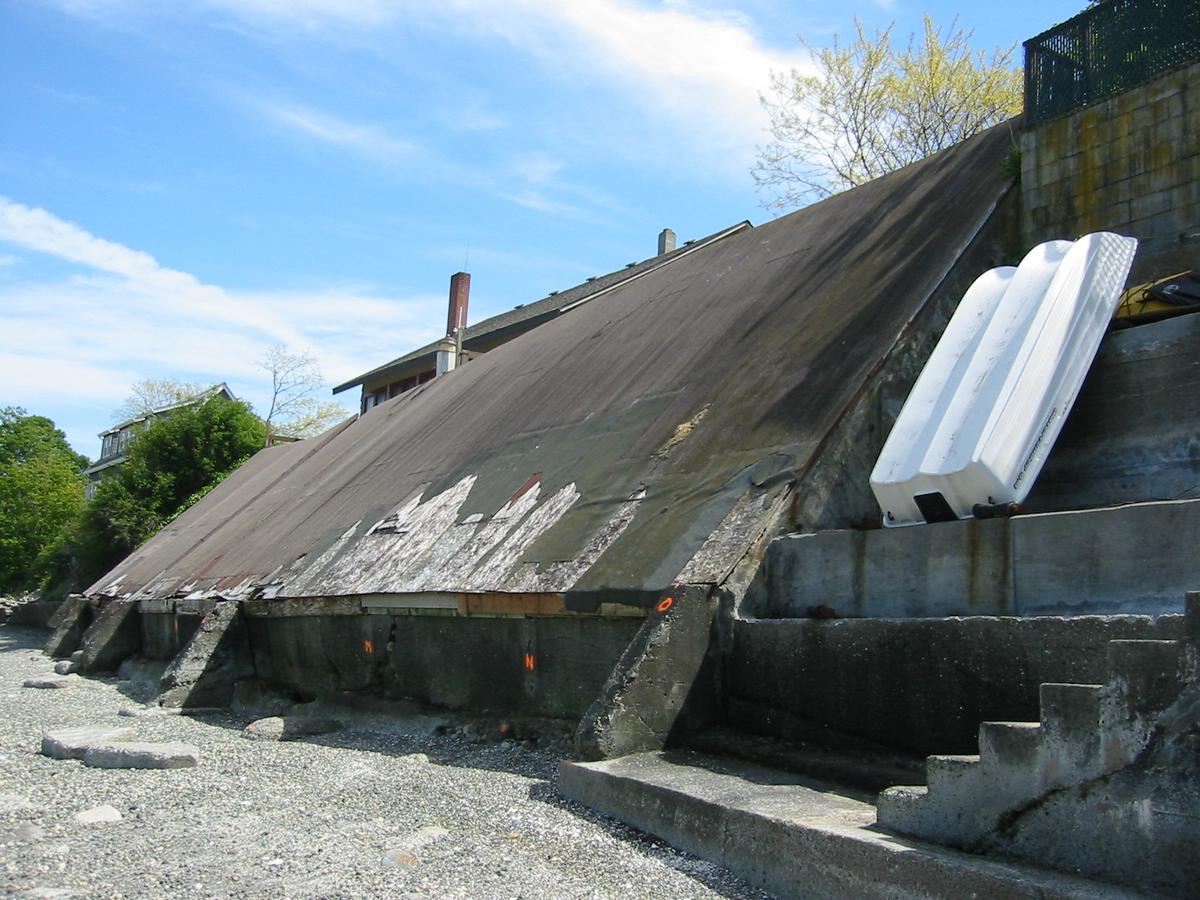
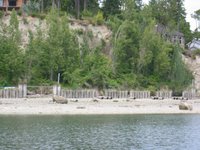
 In January, 1997, a family of four was killed by a landslide at this site on Bainbridge Island (see Brenda Bell's article, The Liquid Earth, in the January, 1999, Atlantic Monthly). Other nearby houses were lost to separate slides during the previous winter and in March 1997, although without the fatalities. Today, a double-tiered retaining wall is being built on the slope so the waterfront lots can be redeveloped.
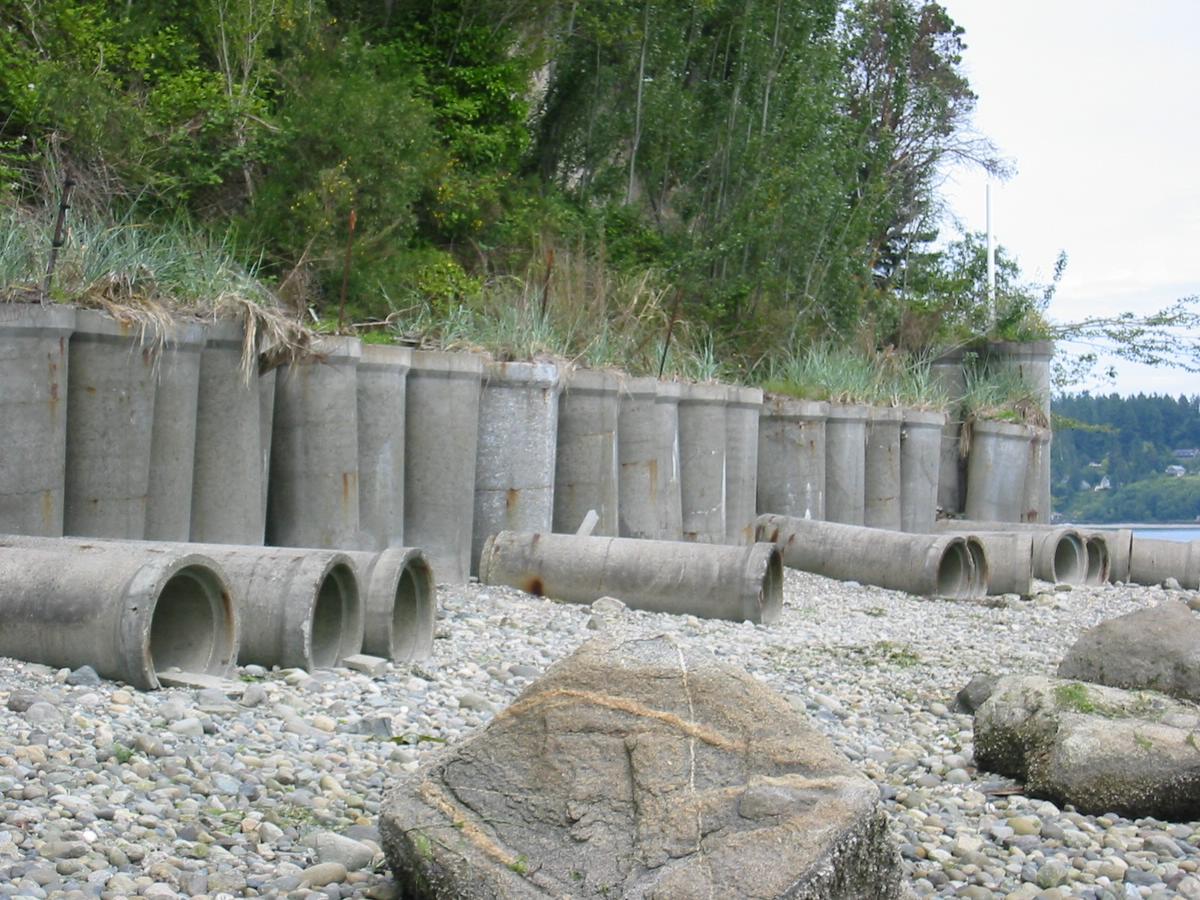
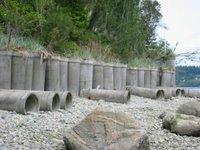 Some seawalls are special. I'm sure there is a great story to go with this one, but it's not one I've learned yet. The concrete pipe segments that remain upright are acting as planters for dune grass.

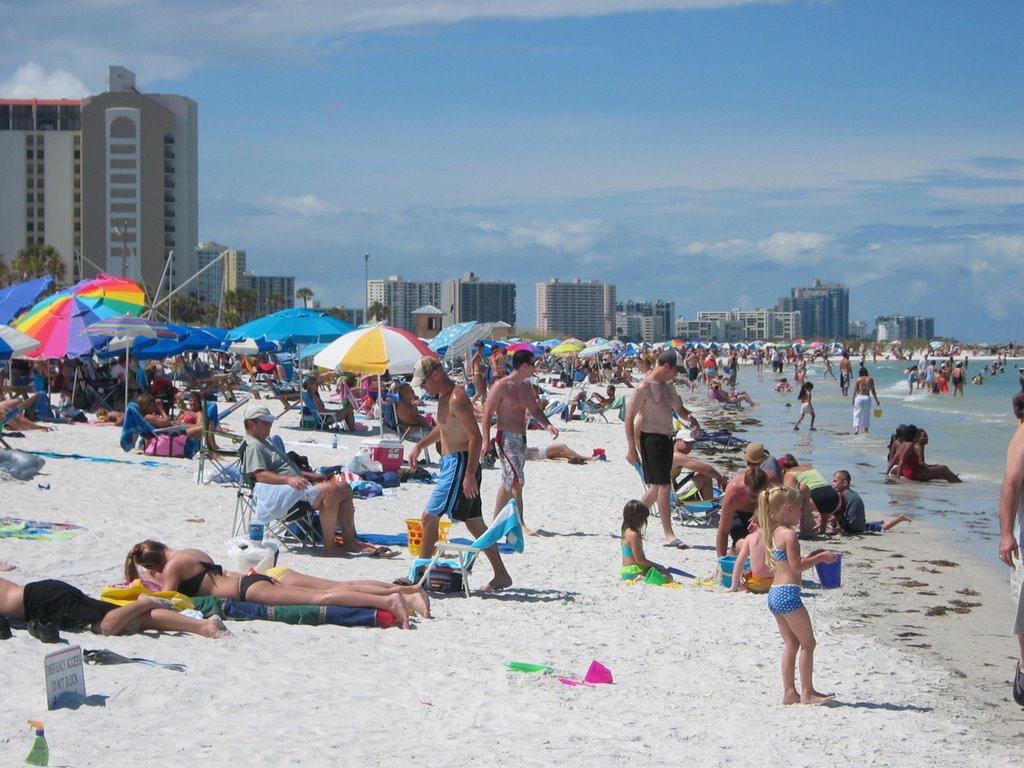
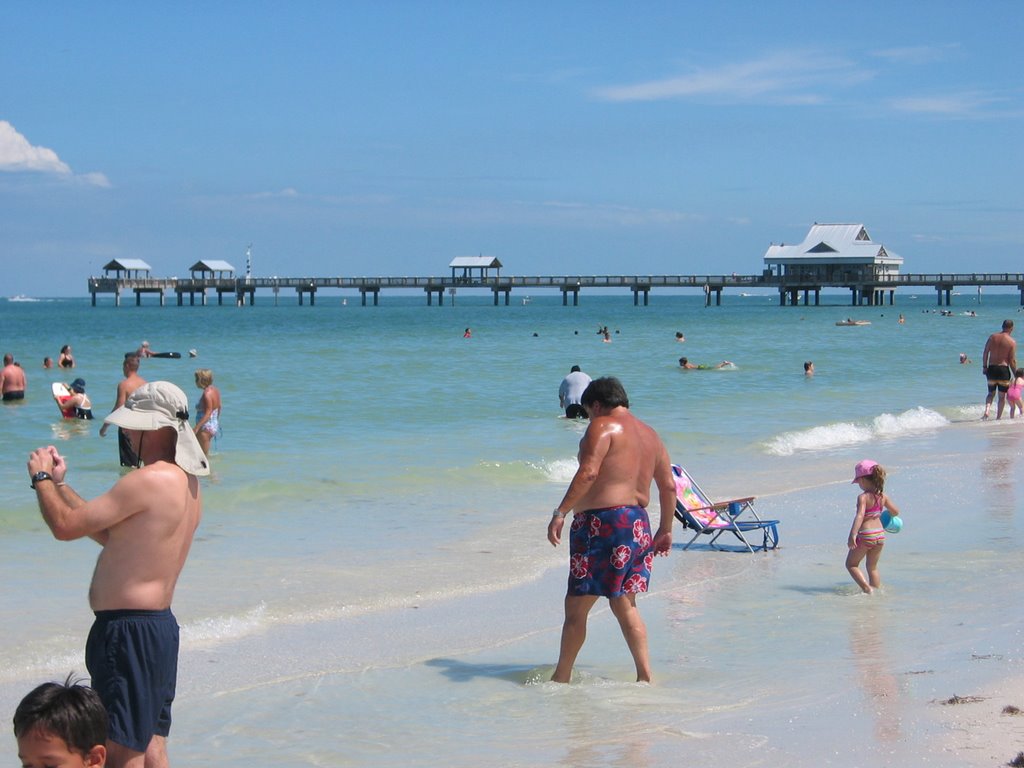
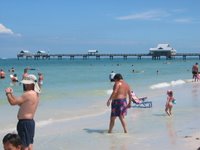 Clearwater looked to me just like a Florida Beach should look like, with sunshine, crowds, colorful umbrellas, and lots of the large multi-story hurricane deflectors built in the dunes.
 It's been thirty years since I've been in Florida, and now two trips in less than six weeks! Our time at the beach has been limited by our family's general abhorrence of hot, muggy weather, but we've managed some short excursions (for the rest of the story, go to hshipman blog).
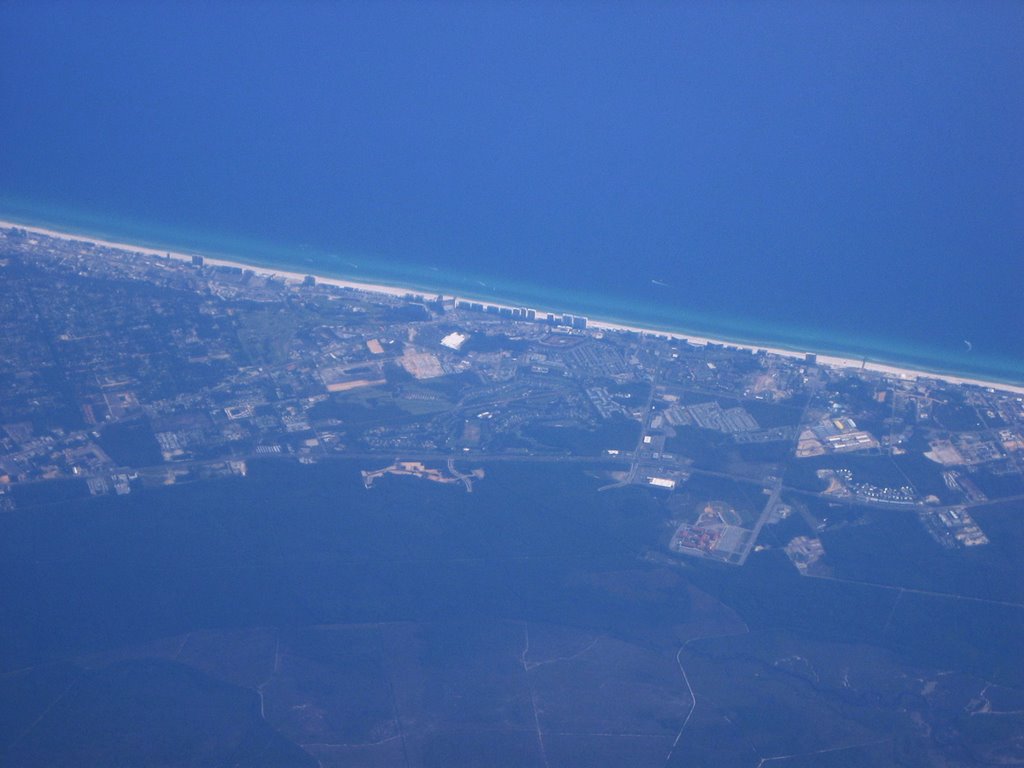
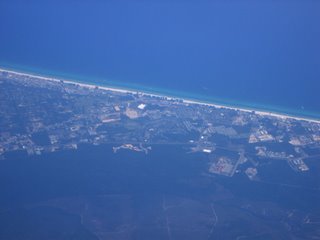
The flight from DFW to Tampa bypassed a large storm over New Orleans, so I didn't get good views of the coast until we got to Mobile - I was hoping for a good overview of post-Katrina Pass Christian and Biloxi. We flew a few miles north of the coastline from Mobile to Appalachicola area before cutting across the Gulf toward Tampa Bay. The photo may be Destin, though these resort beaches tend to all look the same from 35,000' (or maybe even from sea level?).
The hurricane deflectors (very small in this picture) remind me of lightning rods on the ridges of Pennsylvania barns or the wire spikes that keep seagulls off of waterfront restaurants and pigeons off of public monuments. They have been constructed up and down the southeast coast. Since hurricanes aren't very frequent, authorities let people live in them when they aren't actually being used to protect the nation from tropical storms.
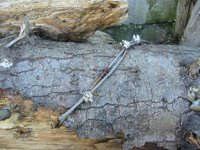

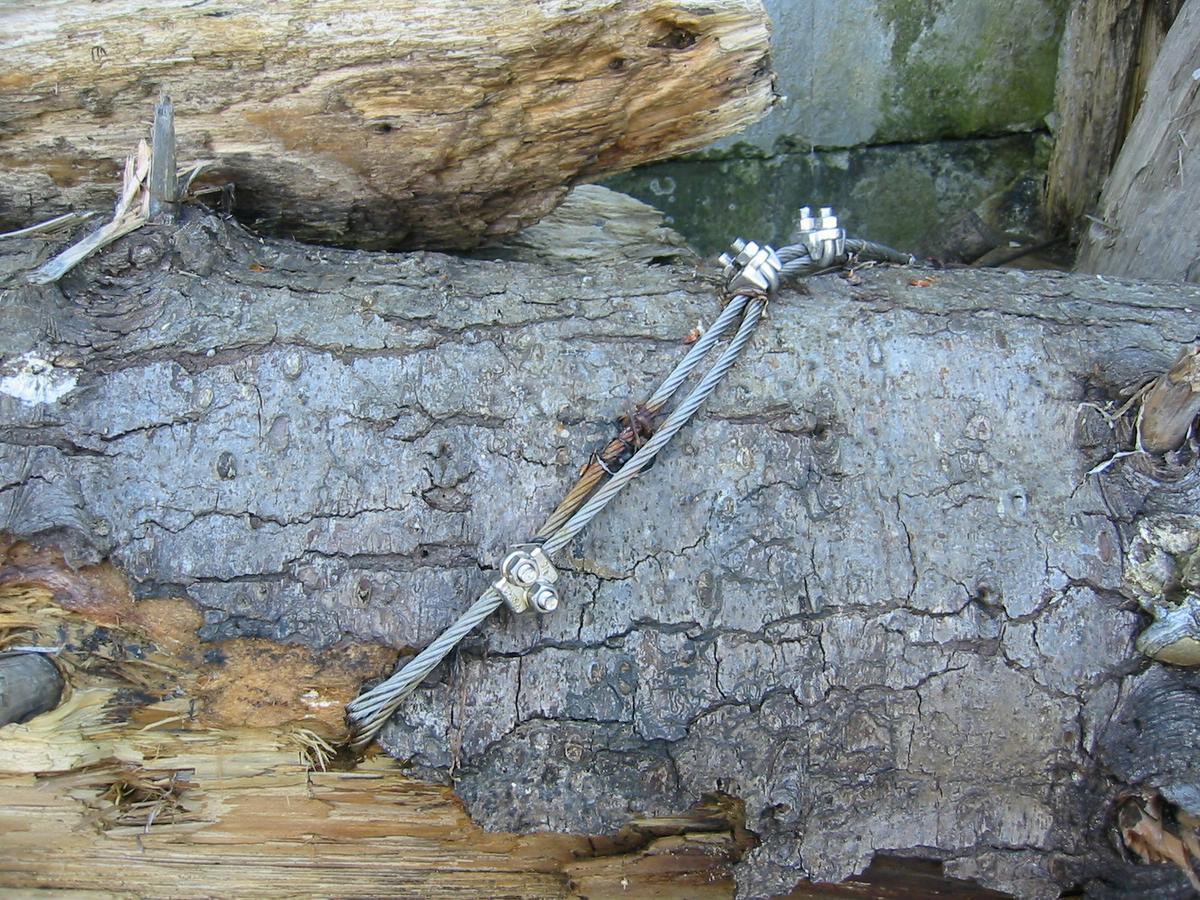
This was a new one for me. It's a log crib, bolted together with stainless cable and hardware, extending out in front of the base of the bluff. It was built within the last year or so, presumably as a softer approach to erosion control than a conventional bulkhead. I'm still struggling with what to make of it. If nothing else, I wish it didn't extend so far onto the beach and that it had incorporated soil and plantings. Functionally, it appears equivalent to a failing timber seawall -- maybe that's a good thing. I wonder what the hardware will look like in 20 years?